
Guide
What it costs
We don't publish prices, and this page explains why, plus what actually moves the figure, and how to compare two quotes without getting caught out.
Every job is quoted after a free, no-obligation visit, no two houses, or budgets, are the same.
A published “from” price would be accurate for roughly one house in ten and misleading for the rest, and you'd have no way of knowing which one you were. So instead, here's what genuinely changes the number.
Bathrooms
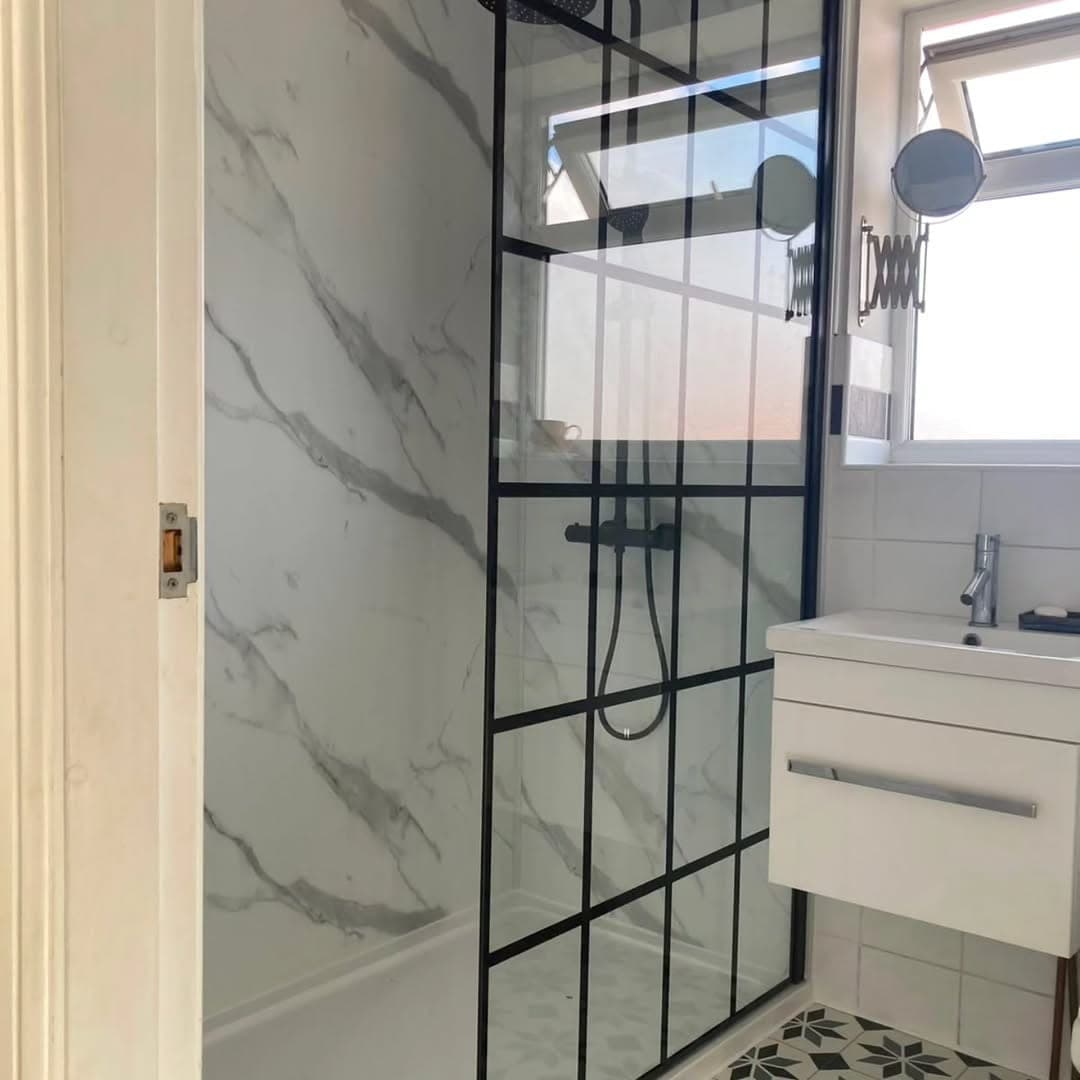
The biggest single factor is whether things move. If the toilet, the basin and the bath or shower stay roughly where they are, most of the cost sits in what you've chosen to put in. Move the soil pipe, take out a wall, or go from a bath to a full level-access wet room, and the labour changes considerably before you've picked a single tile.
After that, in rough order:
- The suite and the fittings. This is the part you control completely, and the range is enormous.
- Tiling. Area, format and pattern. Large-format panels and small mosaics are very different amounts of labour for the same wall.
- What's behind the walls. In older houses, occasionally something needs putting right before anything else can happen.
Conservatory warm roofs
- The size and shape of the roof. A straightforward lean-to is a simpler job than a Victorian or Edwardian roof with hips and valleys to work around.
- How many roof windows. Worth spending on, it's the difference between a bright room and a dark one , but they do move the figure.
- Whether the frames need anything. Usually they don't. The structural check tells us for certain before you commit.
- Building control. There's a fee, and it's not optional, see our guide to the regulations.
- The inside. Plastering and decorating is the other half of the job. Think about it at quote stage rather than after.
How to read a quote
If you're comparing two quotes, the headline figure is the least useful thing on either of them. What to look at instead:
- Is it itemised? A single number with no breakdown can't be compared against anything.
- What's excluded? This is where cheap quotes stop being cheap. Watch for building control fees left out, electrics as “customer to arrange”, making good and decorating not included, or waste removal missing.
- Are there provisional sums? A line priced as “provisional” is a placeholder, not a price. Ask what it's likely to land at.
- Who's actually doing it? If most of the work is being subcontracted onward, ask who to, and who you'll be ringing when something needs sorting.
- What are the payment stages? Some money up front for materials is normal. Most of the money up front, before anything has arrived at your house, is not.
Common questions
Money, answered
Why don't you publish prices?
Because the honest answer depends on your house. A bathroom where the soil pipe stays where it is, and one where it moves, are different jobs at the same square metreage. A published 'from' price would be right for about one house in ten and misleading for the rest. You get a written quote after a free visit instead.
What moves the price most on a bathroom?
Moving things. If the toilet, the bath and the basin all stay roughly where they are, most of the cost is in what you've chosen to put in. Move the soil pipe, take out a wall or go from a bath to a full level-access wet room and the labour changes considerably. The tiles and the suite you pick then sit on top of that.
What moves the price most on a conservatory warm roof?
The size and shape of the roof first, a straightforward lean-to is simpler than a Victorian or Edwardian roof with hips and valleys. Then how many roof windows you want, whether the existing frames need any strengthening, and the building control fee. The plastering and decorating inside is the other half of the job and worth thinking about at quote stage rather than after.
Do you take a deposit?
Where materials need ordering, yes, and it'll be set out in the quote along with when the rest is due. Be wary of anyone wanting most of the money up front before anything has arrived at your house.
Will the price change once you've started?
Not unless you change something, or unless we open something up and find a genuine problem underneath, which happens occasionally in older houses. If it does, you hear about it and agree it before we carry on, not afterwards on the invoice.
Is it worth doing two jobs at once?
Often, yes. If we're already set up at your house, adding the fascia to a roof job or the plastering to a bathroom usually costs less than having us back separately. Ask when we quote and we'll tell you honestly whether it's actually cheaper or whether we're just being asked to guess further ahead.
Free, no-obligation quote
Get a real number
The only way to know what your job costs is for someone to come and look at it. That's free, there's no obligation, and you'll get it in writing.
Covering Tameside and Greater Manchester. Get in touch and we'll arrange a time to come and look.
Transforming homes · Building trust · Delivering quality